Gym Diet Plan: The Complete Beginner’s Guide to Building Muscle, Lose Fat & Stay Fit

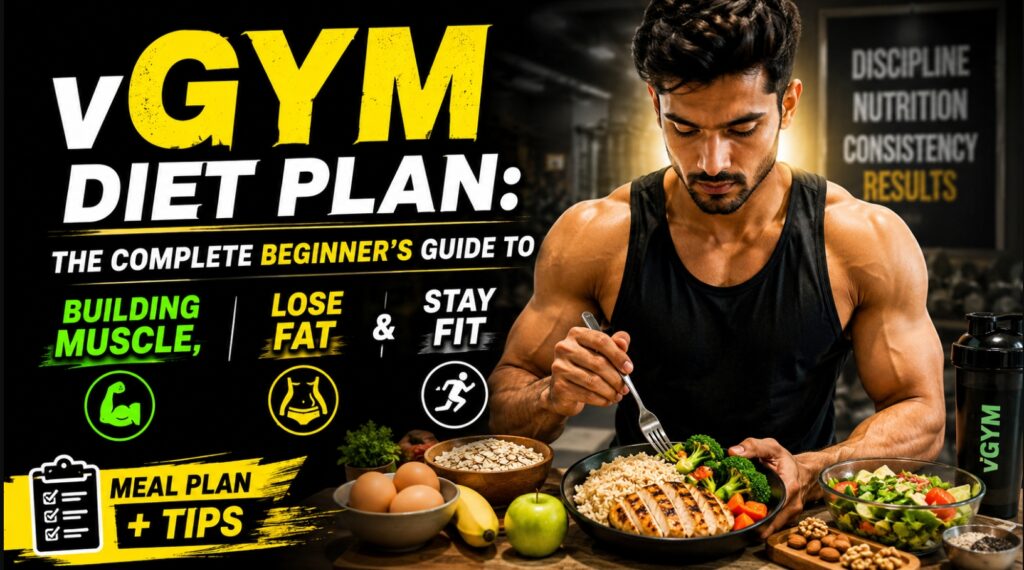
Gym Diet Plan: The Complete Beginner’s Guide to Building Muscle, Lose Fat & Stay Fit
If you’ve recently joined a gym, you’ve probably heard the saying, “Abs are made in the kitchen.” While it may sound cliché, it’s true. Your workout routine is only one part of the fitness equation—the food you eat plays an even bigger role in determining your results.
Whether your goal is to build lean muscle, lose stubborn body fat, improve strength, or simply become healthier, following the right gym diet plan is essential. Many beginners spend hours lifting weights but neglect proper nutrition, which slows progress and often leads to frustration.
The good news is that you don’t need expensive supplements, fancy meal plans, or celebrity diets. A simple, balanced diet made from everyday foods can provide your body with everything it needs to perform well, recover quickly, and transform your physique.
In this complete beginner’s guide, you’ll learn why nutrition matters, which foods support muscle growth, how to structure your meals, common diet mistakes to avoid, and a practical gym diet plan you can start following today.
Why Is Diet Important for Gym Results?
Every workout creates tiny tears in your muscle fibers. These tears are completely normal and are actually the first step toward building stronger muscles. However, your body needs the right nutrients to repair and rebuild those muscles.
Without proper nutrition, you may experience:
- Slow muscle growth
- Low energy during workouts
- Poor recovery
- Increased fatigue
- Higher risk of injury
A balanced gym diet helps your body by:
- Building lean muscle mass
- Providing energy for intense workouts
- Supporting faster recovery
- Burning body fat more efficiently
- Strengthening your immune system
- Improving overall physical performance
Many fitness experts say that successful body transformation is approximately 30% exercise and 70% nutrition. While the exact percentage varies from person to person, there’s no doubt that diet is one of the biggest factors in achieving fitness goals.
Essential Nutrients Every Gym Beginner Needs
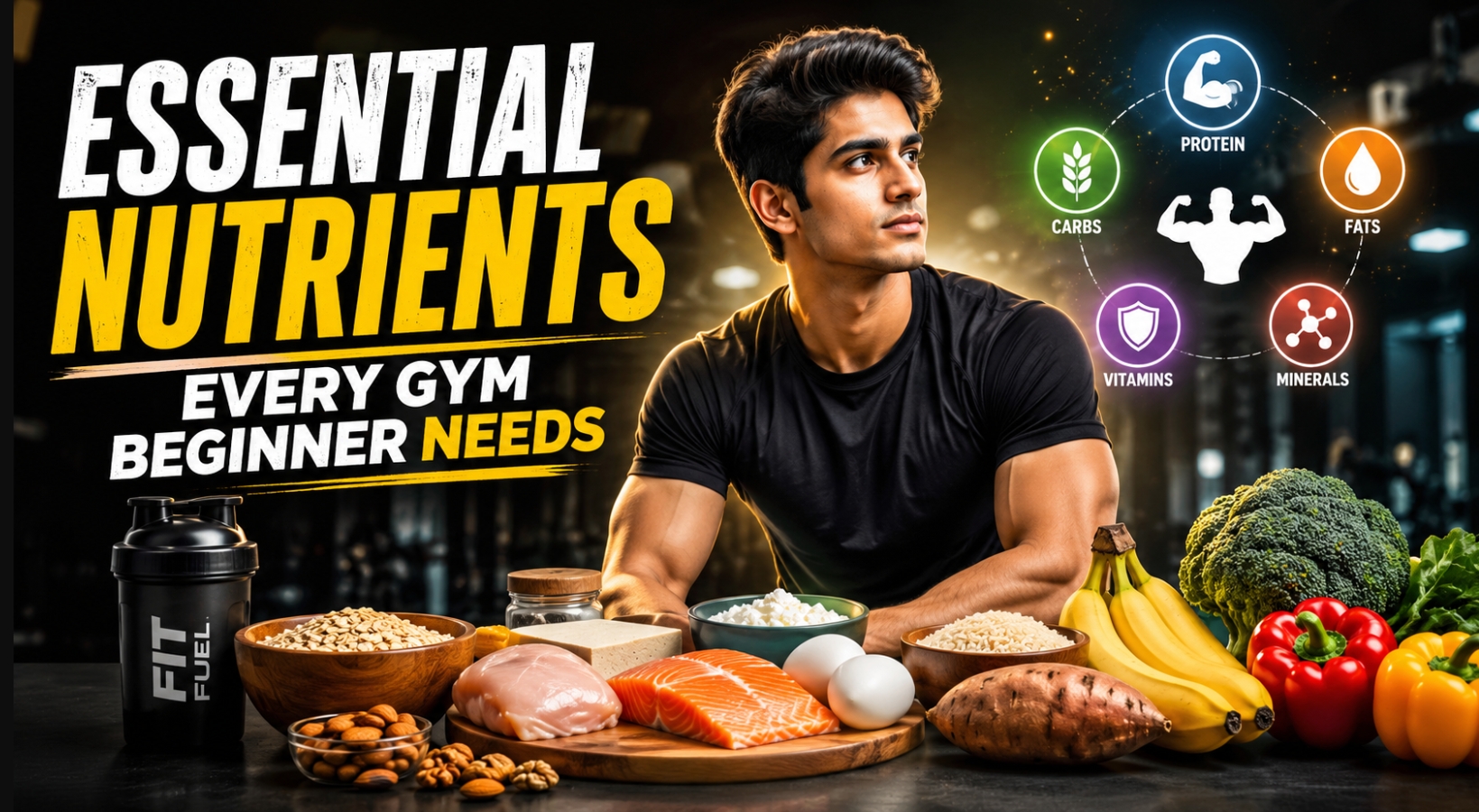
1. Protein The Muscle Builder
Protein is the most important nutrient for anyone who exercises regularly. It helps repair damaged muscle fibers and supports muscle growth after workouts.
Excellent protein sources include:
- Eggs
- Chicken breast
- Fish
- Lean meat
- Paneer
- Tofu
- Greek yogurt
- Milk
- Lentils
- Chickpeas
- Kidney beans
- Soy chunks
For most active individuals, consuming 1.2,2.0 grams of protein per kilogram of body weight each day is a good target. Those focusing on muscle gain may benefit from the higher end of this range.
2. Carbohydrates Your Main Energy Source
Carbohydrates fuel your workouts by providing your muscles with energy. Without enough carbs, you may feel weak, tired, or unable to train effectively.
Healthy carbohydrate choices include:
- Oats
- Brown rice
- Sweet potatoes
- Whole wheat bread
- Chapati
- Fruits
- Bananas
- Quinoa
- Whole-grain pasta
Instead of avoiding carbohydrates, choose complex carbs that provide long-lasting energy.
3. Healthy Fats Essential for Overall Health
Healthy fats help regulate hormones, improve brain function, and support recovery. They also keep you feeling full for longer.
Good sources include:
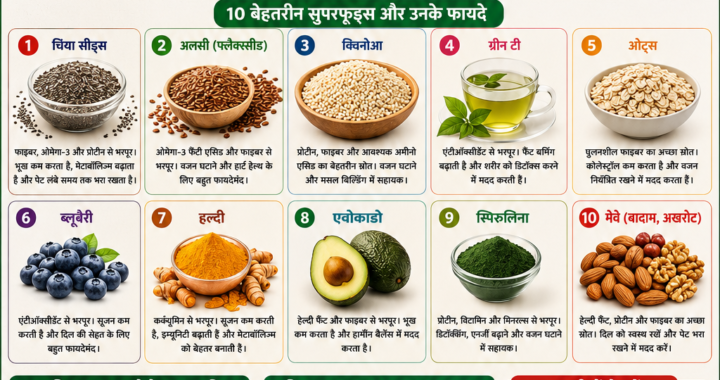
- Almonds
- Walnuts
- Peanuts
- Cashews
- Olive oil
- Avocados
- Flaxseeds
- Chia seeds
Remember that fats are calorie-dense, so portion control is important.
4. Vitamins and Minerals
Micronutrients support countless body functions, including immunity, energy production, and muscle recovery.
Eat a colorful variety of fruits and vegetables every day to meet your vitamin and mineral needs naturally.
5. Water The Most Overlooked Nutrient
Hydration directly affects strength, endurance, and recovery. Even mild dehydration can reduce workout performance.
Aim to drink 2.5,3.5 liters of water daily, increasing your intake if you exercise intensely or sweat heavily.
Sample Gym Diet Plan for Beginners
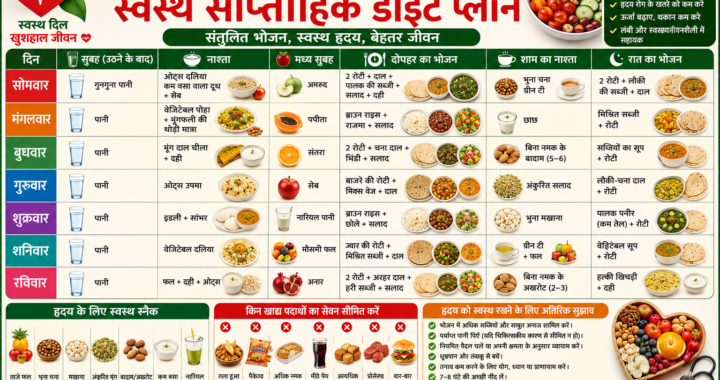
Early Morning
Start your day with hydration.
- 1 glass of water
- 5,6 soaked almonds
- 1 banana
This provides quick energy and healthy fats.
Breakfast
A nutritious breakfast fuels your body for the day.
- Oatmeal with milk
- 3,4 boiled eggs or paneer/tofu
- 1 apple or orange
Mid-Morning Snack
Keep your metabolism active.
- Greek yogurt
- Mixed fruits
- Handful of nuts
Lunch
Your lunch should contain a balance of protein, carbohydrates, and vegetables.
- Brown rice or 2 chapatis
- Grilled chicken, paneer, or tofu
- Dal
- Mixed vegetables
- Fresh salad
Pre-Workout Meal
Eat 60,90 minutes before training.
Good options include:
- Banana with peanut butter
- Oats with milk
- Boiled potatoes
- Whole wheat sandwich
- Black coffee (optional)
This meal provides energy without making you feel heavy.
Post-Workout Meal
The hour after your workout is an excellent time to replenish nutrients.
Choose foods such as:
- Grilled chicken with rice
- Paneer with chapati
- Eggs and toast
- Protein shake (optional)
- Fresh fruit
A combination of protein and carbohydrates helps muscles recover more effectively.
Dinner
Keep dinner balanced and light.
- Grilled fish or chicken
- Paneer or tofu
- Steamed vegetables
- Soup
- Salad
Before Bed
Nighttime nutrition supports overnight muscle recovery.
Choose:
- One glass of milk
- Cottage cheese (paneer)
These foods provide slow-digesting protein while you sleep.
Foods to Avoid for Better Fitness Results
Even the best workout routine can’t overcome a consistently poor diet.
Limit foods such as:
- Sugary soft drinks
- Deep-fried snacks
- Fast food
- Excess sweets
- Packaged chips
- Processed foods
- Alcohol
- Bakery products high in sugar
Enjoy these occasionally rather than making them part of your daily routine.
Do You Really Need Supplements?
One of the biggest misconceptions among beginners is that supplements are required to build muscle.
The truth is that food should always come first.
If you’re consistently meeting your nutritional needs through whole foods, supplements are optional.
Some commonly used supplements include:
- Whey protein
- Creatine monohydrate
- Fish oil
- Multivitamins
These products can be helpful in certain situations, but they should complement—not replace—a healthy diet.
Extra Tips for Faster Gym Results
Small daily habits make a huge difference over time.
- Eat protein with every meal.
- Don’t skip breakfast.
- Plan your meals in advance.
- Sleep 7,9 hours every night.
- Stay hydrated throughout the day.
- Train consistently.
- Increase weights gradually.
- Track your body measurements and progress every few weeks.
- Avoid comparing your journey with others.
Consistency beats perfection every single time.
Common Gym Diet Mistakes Beginners Should Avoid
Many beginners unknowingly slow their progress by making these mistakes:
- Skipping meals to lose weight faster
- Eating too little protein
- Depending entirely on supplements
- Drinking insufficient water
- Following crash diets
- Eating junk food after workouts
- Ignoring vegetables and fruits
- Expecting visible results within a few days
Fitness transformations take patience. Sustainable habits always produce better long-term results than extreme dieting.
Frequently Asked Questions
Can I build muscle without supplements?
Yes. A balanced diet rich in protein, carbohydrates, healthy fats, and vegetables is enough for most beginners to build muscle.
How many meals should I eat daily?
Most people do well with 4,6 balanced meals or snacks spread throughout the day, but the total calories and nutrients matter more than the exact number of meals.
Should I eat before going to the gym?
Yes. A light meal containing carbohydrates and some protein 60,90 minutes before your workout can improve energy and performance.
Is whey protein necessary?
No. Whey protein is simply a convenient source of protein. If you meet your daily protein needs through food, you don’t need it.
How long does it take to see results?
With consistent training, proper nutrition, and adequate sleep, many beginners notice improvements in strength within a few weeks and visible body changes after 8,12 weeks.
Conclusion
Following a healthy gym diet plan doesn’t require expensive foods or complicated meal schedules. The key is to focus on whole, nutritious foods, eat enough protein, stay hydrated, and maintain consistency with both your workouts and your eating habits.
Remember that fitness is a long-term commitment, not a short-term challenge. Progress may seem slow in the beginning, but every healthy meal and every workout brings you one step closer to your goal.
Instead of searching for the perfect diet, build sustainable habits that you can follow for years. Stay patient, trust the process, and enjoy the journey toward a stronger, healthier, and fitter version of yourself.