Introduction to Yoga for Beginners: Poses, Breathing Techniques & Health Benefits

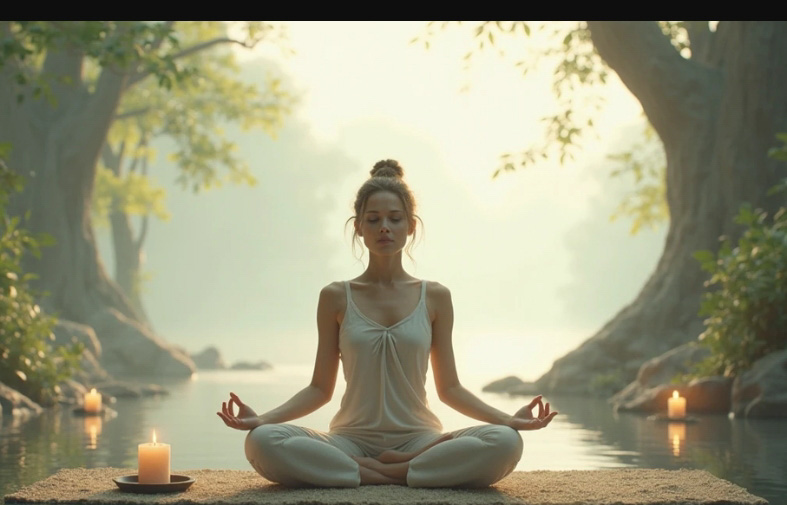
Introduction to Yoga for Beginners: Poses, Breathing Techniques & Health Benefits
Yoga is one of the oldest and most effective practices for improving physical health, mental clarity, and emotional well-being. While many people think yoga is simply about stretching or performing difficult poses, it is much more than that. Yoga is a complete lifestyle that encourages harmony between the body, mind, and breath.
In today’s busy world, stress, poor posture, unhealthy eating habits, and long hours of sitting have become common. Yoga provides a natural solution to these modern challenges. It requires very little equipment, can be practiced almost anywhere, and is suitable for people of all ages.
Whether your goal is to lose weight, improve flexibility, build strength, reduce anxiety, or simply feel healthier, yoga offers a gentle and sustainable path toward better wellness.
This beginner’s guide explains everything you need to know before starting your yoga journey.
What Is Yoga?
Yoga is a holistic practice that originated in India thousands of years ago. The word “Yoga” comes from the Sanskrit word “Yuj,” which means to unite or connect. The purpose of yoga is to create balance between the body, mind, and spirit.
Unlike many fitness programs that focus only on physical exercise, yoga combines several important elements, including:
- Physical postures (Asanas)
- Breathing techniques (Pranayama)
- Meditation
- Relaxation
- Mindfulness
- Healthy living habits
Each of these components works together to improve overall health rather than focusing on just one aspect of fitness.
Regular yoga practice helps people become stronger, more flexible, calmer, and more aware of their bodies.
The History of Yoga
Yoga has a rich history that dates back more than 5,000 years. It was first practiced by ancient sages in India who believed that true health included physical, mental, emotional, and spiritual well-being.
Early yoga teachings were passed down through generations before being written in sacred texts. Over time, different styles of yoga developed to meet the needs of different practitioners.
Today, yoga is practiced worldwide by millions of people. While modern yoga often emphasizes physical postures, its traditional principles continue to promote balance, self-awareness, discipline, and inner peace.
Yoga has become popular among athletes, students, professionals, senior citizens, and healthcare providers because of its many health benefits.
Why Beginners Should Start Practicing Yoga
Many beginners hesitate because they believe yoga requires extreme flexibility or years of experience. Fortunately, that is not true.
Yoga welcomes everyone, regardless of age, fitness level, or body type.
Here are some reasons why beginners benefit from starting yoga:
Improves Flexibility
Tight muscles are common among people who spend long hours sitting or working at a desk.
Gentle stretching during yoga gradually increases flexibility without forcing the body beyond its limits.
Over time, everyday movements become easier and more comfortable.
Builds Functional Strength
Yoga strengthens muscles using your own body weight.
Instead of lifting heavy equipment, many yoga poses improve strength through controlled movements and proper body alignment.
This type of strength supports better posture, balance, and joint stability.
Supports Healthy Weight Management
Yoga may not burn as many calories as high-intensity workouts, but it supports healthy weight management by:
- Increasing physical activity
- Improving metabolism
- Reducing emotional eating
- Lowering stress
- Encouraging mindful eating habits
When combined with balanced nutrition, yoga can become an effective part of a healthy lifestyle.
Reduces Stress Naturally
Stress affects both physical and mental health.
Yoga combines slow movements with controlled breathing, helping calm the nervous system.
Many people notice improved mood, lower anxiety, and better emotional balance after regular practice.
Improves Sleep Quality
Many adults struggle with poor sleep due to stress and screen time.
Gentle evening yoga relaxes muscles, slows breathing, and prepares the body for restful sleep.
Practicing yoga before bedtime may help improve sleep quality naturally.
Encourages Better Posture
Modern lifestyles often involve sitting for long periods, leading to neck pain, shoulder tension, and lower back discomfort.
Yoga strengthens the muscles that support proper posture while improving spinal alignment.
Increases Body Awareness
Yoga teaches people to notice how their bodies move and feel.
This awareness can help reduce injuries during daily activities and improve movement efficiency.
Different Types of Yoga
Not every style of yoga is the same. Beginners should choose a style that matches their goals and fitness level.
Hatha Yoga
Hatha Yoga is one of the best choices for beginners.
Classes usually move slowly, allowing students to learn basic poses and breathing techniques comfortably.
Vinyasa Yoga
Vinyasa links movement with breathing.
It offers a flowing sequence of poses that provides both strength and cardiovascular benefits.
Yin Yoga
Yin Yoga focuses on slow, deep stretching.
Poses are held for longer periods, making it suitable for improving flexibility and relaxation.
Restorative Yoga
This gentle style uses props such as cushions and blankets to support the body.
It is ideal for stress relief, recovery, and relaxation.
Chair Yoga
Chair Yoga is designed for older adults or people with limited mobility.
Many traditional poses are modified using a chair for support.
Essential Yoga Equipment for Beginners
One of the greatest advantages of yoga is that it requires very little equipment.
Yoga Mat
A good yoga mat provides grip, stability, and cushioning.
Choose a mat that prevents slipping and offers adequate comfort for your joints.
Comfortable Clothing
Wear lightweight, breathable clothing that allows free movement.
Avoid overly loose clothing that may interfere with certain poses.
Water Bottle
Stay hydrated before and after your yoga practice.
Although you generally avoid drinking large amounts during practice, hydration throughout the day supports overall performance.
Yoga Blocks
Blocks help beginners perform poses safely by reducing the distance between the body and the floor.
They improve balance and proper alignment.
Yoga Strap
Yoga straps assist with stretching when flexibility is still developing.
They allow beginners to perform poses without strain.
Cushion or Blanket
A folded blanket or cushion provides extra support during seated meditation and relaxation exercises.
Creating the Right Environment for Yoga
Your surroundings can greatly influence your yoga experience.
Choose a quiet, clean, and well-ventilated space where you can move comfortably without distractions.
Natural light, fresh air, and a clutter-free area help create a calm atmosphere that supports relaxation and concentration.
Turn off unnecessary notifications, keep your phone away, and dedicate this time to yourself. Even a small corner of your home can become an ideal yoga space with consistency.
Preparing for Your First Yoga Session
Before beginning your first session, keep these simple guidelines in mind:
- Wear comfortable clothing that allows movement.
- Practice on a stable, non-slip surface.
- Avoid eating a heavy meal 2–3 hours before yoga.
- Start with a gentle warm-up.
- Focus on breathing rather than perfection.
- Move slowly and avoid forcing any position.
- Stop if you feel sharp pain or dizziness.
- End every session with relaxation.
Remember, progress in yoga comes from regular practice, patience, and mindful movement—not from achieving advanced poses quickly.
Why Learning Basic Yoga Poses Matters
Before attempting advanced yoga postures, every beginner should master the fundamentals. Basic yoga poses teach proper alignment, improve flexibility, strengthen muscles, and help develop better body awareness. They also reduce the risk of injury and prepare your body for more challenging poses over time.
Practicing these beginner-friendly yoga poses for just 20–30 minutes a day can improve posture, increase energy levels, enhance mobility, and reduce stress.
Beginner Yoga Poses at a Glance
| Yoga Pose | Sanskrit Name | Difficulty | Main Benefits | Hold Time |
|---|---|---|---|---|
| Mountain Pose | Tadasana | Easy | Improves posture & balance | 30–60 sec |
| Child’s Pose | Balasana | Easy | Relieves stress & stretches back | 1–2 min |
| Cat-Cow Pose | Marjaryasana-Bitilasana | Easy | Improves spinal flexibility | 8–10 rounds |
| Downward Dog | Adho Mukha Svanasana | Easy | Full-body stretch | 30 sec |
| Cobra Pose | Bhujangasana | Easy | Strengthens back | 20–30 sec |
| Seated Forward Bend | Paschimottanasana | Medium | Improves flexibility | 30 sec |
| Tree Pose | Vrikshasana | Easy | Improves balance | 30 sec each leg |
| Bridge Pose | Setu Bandhasana | Easy | Strengthens hips & back | 30 sec |
| Warrior I | Virabhadrasana I | Medium | Builds strength | 30 sec each side |
| Corpse Pose | Shavasana | Easy | Deep relaxation | 5–10 min |
1. Mountain Pose (Tadasana)
How to Perform
- Stand with your feet together.
- Keep your spine straight.
- Relax your shoulders.
- Keep your arms by your sides.
- Breathe slowly through your nose.
- Look straight ahead.
Benefits
- Improves posture
- Strengthens legs
- Enhances body awareness
- Improves balance
- Builds confidence
Common Mistakes
- Locking the knees
- Slouching shoulders
- Holding the breath
2. Child’s Pose (Balasana)
Child’s Pose is one of the most relaxing yoga positions and is excellent for beginners.
Steps
- Kneel on the mat.
- Sit back on your heels.
- Stretch your arms forward.
- Rest your forehead on the floor.
- Breathe deeply.
Benefits
- Relaxes the mind
- Reduces stress
- Gently stretches the lower back
- Relieves neck tension
- Improves flexibility
Best For
- Beginners
- Office workers
- Stress relief
- Recovery after exercise
3. Cat-Cow Pose (Marjaryasana-Bitilasana)
This movement improves spinal mobility.
Steps
- Come onto all fours.
- Inhale while arching your back.
- Lift your head.
- Exhale while rounding the spine.
- Tuck the chin.
Repeat slowly.
Benefits
- Warms up the spine
- Improves flexibility
- Reduces stiffness
- Helps relieve lower back discomfort
4. Downward Facing Dog (Adho Mukha Svanasana)
One of the most recognized yoga poses worldwide.
Steps
- Place hands on the floor.
- Lift hips upward.
- Form an inverted “V”.
- Keep knees slightly bent if needed.
- Press heels gently toward the floor.
Benefits
- Strengthens shoulders
- Stretches hamstrings
- Improves circulation
- Builds endurance
- Improves posture
5. Cobra Pose (Bhujangasana)
A gentle backbend suitable for beginners.
Steps
- Lie on your stomach.
- Place palms beside your chest.
- Lift your chest slowly.
- Keep elbows close to the body.
- Avoid overextending the neck.
Benefits
- Strengthens the spine
- Opens the chest
- Improves posture
- Supports flexibility
6. Seated Forward Bend (Paschimottanasana)
A calming stretch for the back of the body.
Steps
- Sit with legs extended.
- Keep your spine long.
- Lean forward from the hips.
- Reach toward your feet.
- Breathe naturally.
Benefits
- Improves hamstring flexibility
- Calms the nervous system
- Supports digestion
- Relieves stress
7. Tree Pose (Vrikshasana)
Tree Pose develops balance and concentration.
Steps
- Stand tall.
- Place one foot against the opposite inner leg (avoid pressing directly on the knee).
- Bring hands together in front of the chest.
- Focus on a fixed point.
Benefits
- Improves balance
- Strengthens ankles
- Enhances focus
- Builds stability
8. Bridge Pose (Setu Bandhasana)
Bridge Pose strengthens the lower body while opening the chest.
Steps
- Lie on your back.
- Bend your knees.
- Place feet hip-width apart.
- Lift hips upward.
- Hold comfortably.
Benefits
- Strengthens glutes
- Supports spinal mobility
- Opens hips
- Improves posture
9. Warrior I (Virabhadrasana I)
A powerful standing pose that builds confidence.
Steps
- Step one foot back.
- Bend the front knee.
- Raise both arms overhead.
- Keep hips facing forward.
- Hold and breathe.
Benefits
- Strengthens legs
- Improves endurance
- Builds stability
- Increases hip flexibility
10. Corpse Pose (Shavasana)
Every yoga session should end with Shavasana.
Steps
- Lie flat on your back.
- Relax your arms and legs.
- Close your eyes.
- Breathe naturally.
- Stay still for several minutes.
Benefits
- Deep relaxation
- Reduces stress
- Improves recovery
- Calms the mind
Weekly Yoga Practice Schedule
| Day | Focus Area | Duration |
|---|---|---|
| Monday | Flexibility | 20 Minutes |
| Tuesday | Balance | 20 Minutes |
| Wednesday | Full Body Stretch | 25 Minutes |
| Thursday | Core Strength | 20 Minutes |
| Friday | Relaxation Yoga | 20 Minutes |
| Saturday | Beginner Flow | 30 Minutes |
| Sunday | Recovery & Meditation | 20 Minutes |
Benefits of Practicing These Poses Regularly
| Benefit | How Yoga Helps |
|---|---|
| Flexibility | Gradually loosens tight muscles |
| Strength | Uses body weight to build muscle |
| Posture | Improves spinal alignment |
| Stress Relief | Combines movement with mindful breathing |
| Better Sleep | Encourages relaxation before bedtime |
| Weight Management | Supports an active, healthy lifestyle |
| Balance | Develops stability and coordination |
| Joint Mobility | Promotes smooth, pain-free movement |
Common Beginner Mistakes
| Mistake | Better Practice |
|---|---|
| Holding your breath | Maintain slow, steady breathing |
| Comparing yourself to others | Focus on your own progress |
| Skipping warm-ups | Spend 5–10 minutes preparing your body |
| Forcing stretches | Stretch only to a comfortable point |
| Practicing inconsistently | Aim for regular, manageable sessions |
| Ignoring discomfort | Stop if you experience sharp pain |
Safety Tips
- Warm up before practicing.
- Practice on a non-slip yoga mat.
- Wear comfortable clothing.
- Stay hydrated throughout the day.
- Avoid practicing immediately after a heavy meal.
- Consult a healthcare professional before starting if you have an injury or a medical condition.
- Progress gradually and prioritize proper form over depth of the pose.
Helpful External Resources
The following organizations provide reliable information about yoga, physical activity, and overall health:
| Resource | Purpose |
|---|---|
| World Health Organization (WHO) – Physical Activity Guidelines | Global recommendations for healthy physical activity |
| National Center for Complementary and Integrative Health (NCCIH) – Yoga Overview | Evidence-based information on yoga and health |
| American Heart Association | Heart health and healthy lifestyle guidance |
| Yoga Alliance | Yoga education and professional standards |
These are authoritative resources that can provide readers with additional educational information.